


Course details
Overhead Crane and Rigging (OSHA)
Crane operators and rigging crews work in environments where a single misjudgment can bring a load down on a coworker, damage equipment worth hundreds of thousands of dollars, or shut down an entire worksite. This overhead crane and rigging course gives workers the foundational knowledge to inspect equipment before a lift, read the warning signs of worn rigging hardware, and communicate clearly using universal signals.
Operators, riggers, signal persons, and site supervisors all share responsibility for a safe lift. This online course can train each of those roles on the same verified procedures, so crews may work from a common standard.
Course Overview
This overhead crane and rigging online course is built around learning modules that cover key phases of safe crane operation and load handling, from identifying equipment types to executing a controlled lift. The modules include:
- Types of overhead cranes
- A breakdown of a crane's parts
- What can go wrong when limits are not respected
- How to prevent accidents, including:
- The importance of a pre-work inspection and how to conduct one
- Knowledge of your specific machine
- Being fit for work, and
- Maintenance practices including lock out tag out,
- Safety responsibilities of both crane owner and operator
- Basic crane safety principles
- General worksite safety
- Safe communication procedures
- Rigging components
- Rigging safe practices and procedures, and
- Proper load handling
The course moves from crane anatomy and operator responsibilities through rigging hardware selection, load handling technique, and the universal hand signals that keep ground crews and operators aligned during a lift.
Practical prevention runs throughout: you examine what happens when rated limits are ignored, how lock out tag out protects maintenance crews, and what a fit-for-work check looks like before the first lift of the day.
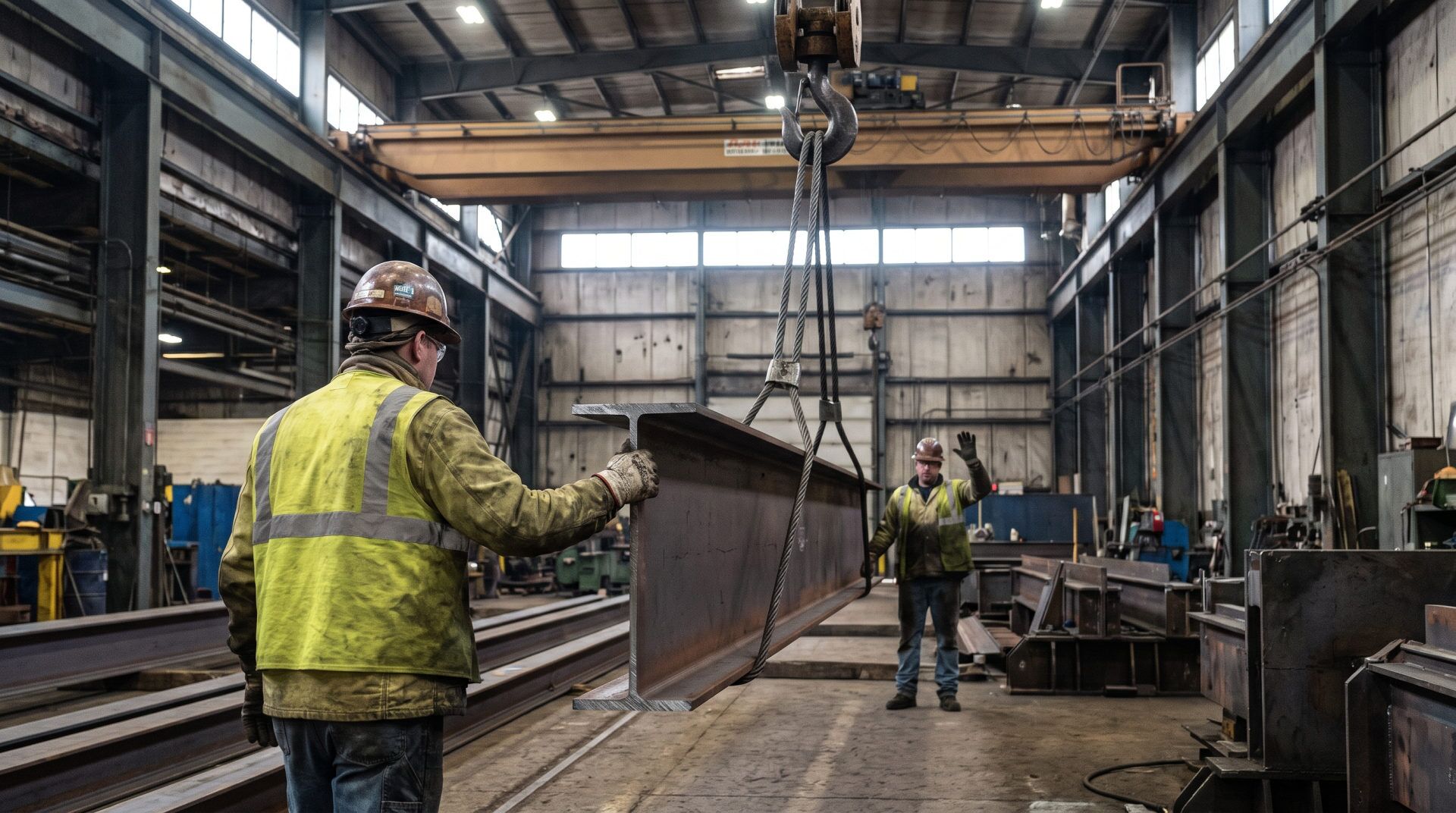
Inspection checklist, rigging hardware, universal signals, and load placement.
What You'll Learn
This overhead crane and rigging training covers the skills you apply from the moment you approach a crane to the moment a load reaches its destination.
Crane types and components
- Recognize the different types of overhead cranes and their proper uses across various worksite configurations.
- Identify the individual parts of an overhead crane and describe the function each component performs during a lift.
Inspection and maintenance
- Demonstrate how to perform a pre-work inspection, working through each checkpoint before a crane is put into service.
- Describe regular crane maintenance practices, including lock out tag out procedures that protect workers during servicing.
- Evaluate component breakdown hazards, identifying visible signs of wear or failure that require a crane to be taken out of service.
Worksite safety and communication
- Apply basic crane safety principles to maintain a safe overhead crane environment across a worksite operation.
- Demonstrate effective use of universal hand signals so operators and signal persons communicate without error during a lift.
Rigging knowledge and practice
- Recognize the difference between serviceable and worn or damaged rigging components before attaching them to a load.
- Apply proper rigging techniques to set up a load correctly, distinguishing a safe configuration from one that creates a drop risk.
- Identify the rated capacities of rigging equipment on site and use that information to select the right hardware for each lift.
Load handling and assessment
- Work through safe load handling procedures from pick-up to placement, keeping the load stable and the travel path clear.
- Achieve the 80% pass mark on the course assessment to earn a certificate of completion.
Pre-work checklist, rigging hardware selection, universal signals, and certificate on file.
Who Should Take This Course?
- Overhead crane operators who execute lifts daily and need a structured review of inspection, communication, and load control procedures.
- Riggers and rigging crews who select, inspect, and attach hardware to loads and must identify worn components before a lift begins.
- Signal persons who direct crane movement using universal hand signals and need to apply those signals correctly on every lift.
- Site supervisors and lift planners who oversee crane operations and need a working knowledge of what a compliant pre-work inspection looks like.
- Maintenance personnel who service overhead cranes and need to understand lock out tag out practices and component breakdown hazards.
- New workers entering crane-adjacent roles who need a foundational overview of overhead crane types, parts, and safe operating principles before stepping onto a worksite where a crane is in operation.
Why Take This Course?
A load overhead can be a hazard for anyone working below it. That hazard does not disappear because the operator is experienced; it disappears when the operator, rigger, and signal person all follow the same verified procedures.
Component failure is largely preventable: workers who can identify a worn hook latch, a frayed sling, or an overloaded hoist catch those defects during a pre-work inspection, while workers who have never been trained to read those signs may miss them entirely.
Communication gaps cause dropped loads. Universal hand signals exist to remove ambiguity when noise or distance makes verbal communication unreliable. They only work reliably when every crew member has learned the same set of signals from a common source.
A 240-minute course costs less than one incident. Organizations that invest in structured overhead crane and rigging training reduce exposure to equipment damage, unplanned downtime, and the direct costs tied to a worksite incident. You can track completion and store certificates using BIS Training Record Management, giving employers a documented audit trail from day one.
Key Benefits
- Certificate of completion issued on passing. Employers receive documented proof of worker training they can file immediately against an inspection or audit.
- Reduced exposure to dropped-load and struck-by incidents. Workers learn to catch the rigging defects and communication gaps that precede many crane accidents before a lift begins.
- Self-paced online delivery fits shift schedules. The full 240-minute overhead crane and rigging course is accessible on demand, so workers train without pulling a crane out of service for a classroom day.
- Inspection and rigging skills that transfer across crane types. The course covers multiple overhead crane configurations, so the knowledge applies regardless of which machine a worker is assigned to.
- An 80% pass mark that validates real knowledge. The assessment standard ensures the certificate reflects a verified level of competency, not just a record of time spent in front of a screen.
Topics Covered
Course Details
- Duration: 240 minutes
- Format: Online, self-paced
- Pass mark: 80%
- Certificate: Certificate of completion included
- Price: $130.99
Frequently Asked Questions
How long does the overhead crane and rigging course take to complete?
The overhead crane and rigging course is 240 minutes in total. You can complete it in a single session or work through it in segments between shifts.
What score do I need to pass the overhead crane and rigging assessment?
You need at least 80% to pass. The assessment covers the full scope of the course, from crane components and inspection to rigging practices and load handling.
Is a certificate issued when I complete the overhead crane and rigging course?
Yes, a certificate of completion is included and issued to you upon passing the course assessment.
Who should take this overhead crane and rigging online course?
The course is designed for crane operators, riggers, signal persons, site supervisors, maintenance personnel, and any worker who operates in or around an active overhead crane environment.
How much does the overhead crane and rigging course cost?
The course is priced at $130.99.
Does this course cover both crane operation and rigging, or just one topic?
The course covers both. It addresses overhead crane types, parts, inspections, safe operation, and communication, then moves into rigging components, safe rigging practices, and proper load handling. OSHA's standards for overhead crane safety provide the framework the course content is built on; you can review those requirements directly at OSHA's overhead and gantry cranes standard.
Enroll in the Overhead Crane and Rigging (OSHA) course today and earn your certificate of completion in a single focused session for $130.99.
This course takes approximately 240 minutes to complete
A passing grade of 80% or higher required. Up to 3 attempts are provided.
A certificate will be provided upon the successful completion of this course
