
Effective Risk Assessment Techniques for Enhanced Safety Management
Table Of Contents:
- Effective Risk Assessment Techniques for Enhanced Safety Management
- Understanding the Importance of Risk Assessment in Safety Management
- Identifying Workplace Hazards Thoroughly
- Identifying Workplace Hazards Thoroughly
- Evaluating and Prioritizing Risks Accurately
- Implementing Effective Risk Control Measures
- Monitoring and Reviewing Risk Assessments Regularly
- Leveraging Advanced Risk Assessment Techniques
- Conclusion
Effective risk assessment is vital for patient safety in any organization, yet many still overlook its significance. This article will explore essential techniques, including identifying workplace hazards, evaluating risks, and implementing effective control measures. By engaging with this content, you will learn how to create a comprehensive safety checklist and develop a robust safety policy that addresses uncertainties. If you’re grappling with inadequate risk management practices, our insights will guide you through the necessary steps to enhance safety management and ensure compliance through regular audits.
Understanding the Importance of Risk Assessment in Safety Management
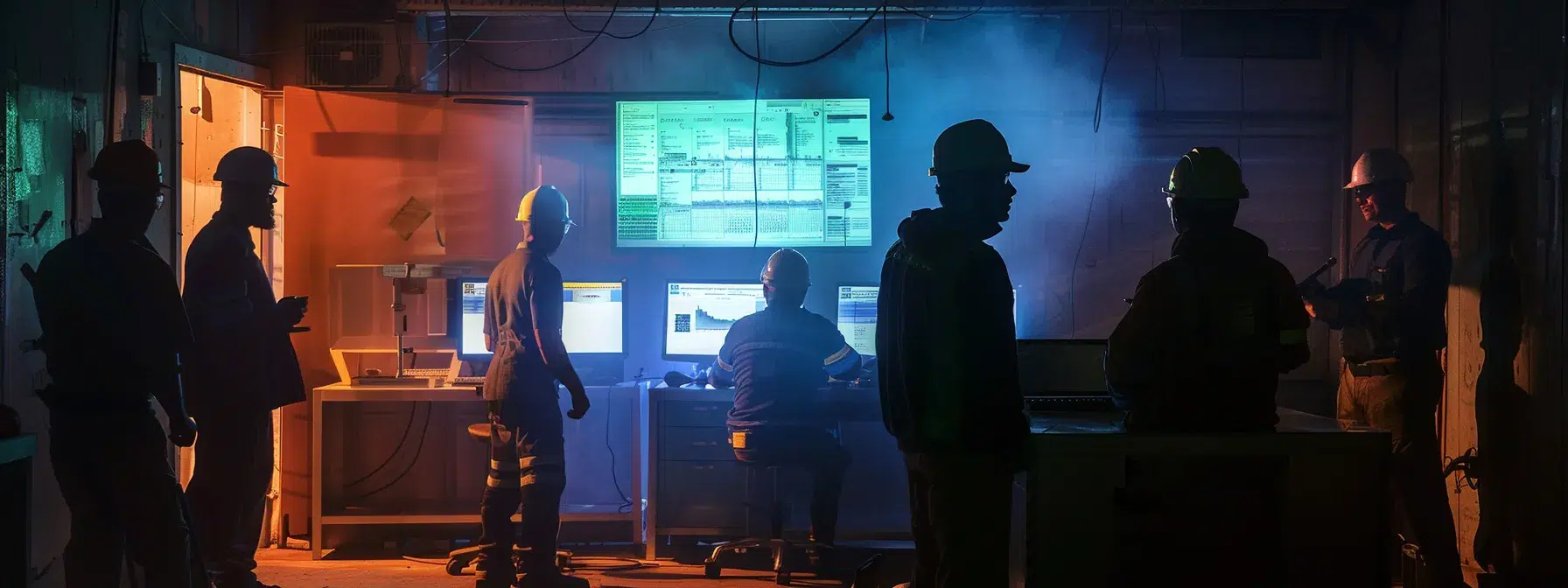
Risk assessment is a critical component of any safety management system, defining potential hazards and determining an organization‘s risk appetite. We believe that effective risk assessment significantly impacts workplace safety by identifying vulnerabilities, especially in remote work environments. Yet, common challenges like inadequate tools or skills can hinder progress. Addressing these issues, such as employing fault tree analysis, ensures a robust approach to enhancing safety management.
Defining Risk Assessment and Its Role in Safety
Risk assessment is an essential practice within occupational safety and health, serving as the foundation for effective risk management. By identifying potential hazards, we can prioritize mitigation strategies that align with standardized safety protocols to create a safer workplace. Utilizing tools like decision trees allows for a systematic analysis of risks, enabling informed decisions and a structured approach to improving safety outcomes.
The Impact of Effective Risk Assessment on Workplace Safety
The impact of effective risk assessment on workplace safety cannot be overstated. By employing comprehensive hazard analysis, I can better understand the complexity of potential risks and align them with our organization‘s risk appetite. This proactive approach not only enhances system safety but also shapes the overall perception of safety within the team, empowering everyone to contribute to a safer work environment.
Common Challenges and How to Address Them
One common challenge I encounter in risk assessment is ensuring regulatory compliance amidst evolving standards. Understanding the need for regular evaluation of risk management processes is essential for staying aligned with these regulations. We leverage statistics and historical data to analyze incidents and monitor the frequency of hazards, enabling me to adapt our strategies effectively and maintain a compliant, safe work environment.
Identifying Workplace Hazards Thoroughly

Identifying Workplace Hazards Thoroughly
To enhance safety management systems within an organization, We focus on techniques for spotting potential risks that align with enterprise risk management principles. Engaging employees in hazard identification fosters a culture of transparency and shared responsibility. Additionally, using checklists and templates based on ISO 31000 standards ensures consistency in our approach, allowing us to systematically address risks through methods like failure mode and effects analysis.
Techniques for Spotting Potential Risks
In our experience, employing a hazard and operability study (HAZOP) is an effective technique for spotting potential risks in the workplace. This systematic approach allows me to analyze processes in detail, identifying specific hazards that could lead to injuries. Coupled with rigorous data analysis, We can pinpoint trends in incidents and unsafe practices, ensuring we proactively address issues before they escalate, ultimately fostering a safer work environment.
Engaging Employees in Hazard Identification
Engaging employees in hazard identification is essential for creating a proactive safety culture. We encourage team members to participate in regular observations and inspections, drawing on their firsthand knowledge of the workplace to identify potential risks. This collaborative approach not only enhances our risk management efforts but also helps ensure we maintain risks at ALARP (As Low As Reasonably Practicable) levels, fostering a safer environment for everyone.
Using Checklists and Templates for Consistency
Utilizing checklists and templates in our risk assessment procedures has proven to be an effective strategy for maintaining consistency and thoroughness in identifying workplace hazards. By implementing a structured approach, We ensure that every health risk assessment includes essential elements that require attention, reducing the potential for oversight. This standardized method not only streamlines the assessment process but also aligns with the PDCA (Plan-Do-Check-Act) cycle, fostering a culture of continuous improvement within our safety management practices:
Evaluating and Prioritizing Risks Accurately

In advancing safety management systems, We emphasize evaluating and prioritizing risks accurately. I assess risk severity and likelihood using effective methods such as qualitative and quantitative analysis. Creating a risk matrix allows for clear visualization of these risks, facilitating informed contract decisions. By prioritizing risks for action, We can engage leadership and committees in taking proactive measures that enhance usability within manufacturing environments.
Methods for Assessing Risk Severity and Likelihood
To effectively assess risk severity and likelihood, We utilize various methods that enhance our operational risk management processes. By engaging stakeholders in brainstorming sessions, We gather diverse insights that contribute to a comprehensive understanding of potential risks. Implementing a risk matrix enables me to visualize risks alongside their severity and likelihood, ensuring that we prioritize our actions based on informed governance practices that address our organization‘s specific needs.
- Engaging stakeholders for diverse insights
- Utilizing brainstorming for risk identification
- Implementing a risk matrix for visualization
- Prioritizing actions based on governance
Creating a Risk Matrix for Visualization
Creating a risk matrix is a key step in evaluating and prioritizing risks effectively within safety management. By visually representing the potential severity and likelihood of incidents, We can communicate critical information regarding safety concerns to our team, fostering a strong culture of safety compliance. Aligning our risk assessment processes with international organization for standardization (ISO) regulations helps ensure that we proactively address hazards, ultimately reducing the chances of accidents occurring in the workplace.
Prioritizing Risks for Action
Prioritizing risks for action within our safety management system is essential to ensuring that resources are allocated where they can have the greatest impact. By implementing a systematic review methodology, We can assess the urgency and potential impact of identified risks, leading to informed decisions on which personal protective equipment should be utilized first. This strategic approach not only enhances workplace safety but also empowers our team to enhance their skills in risk management, ensuring we maintain an ongoing focus on proactive measures that bolster our safety culture.
Implementing Effective Risk Control Measures
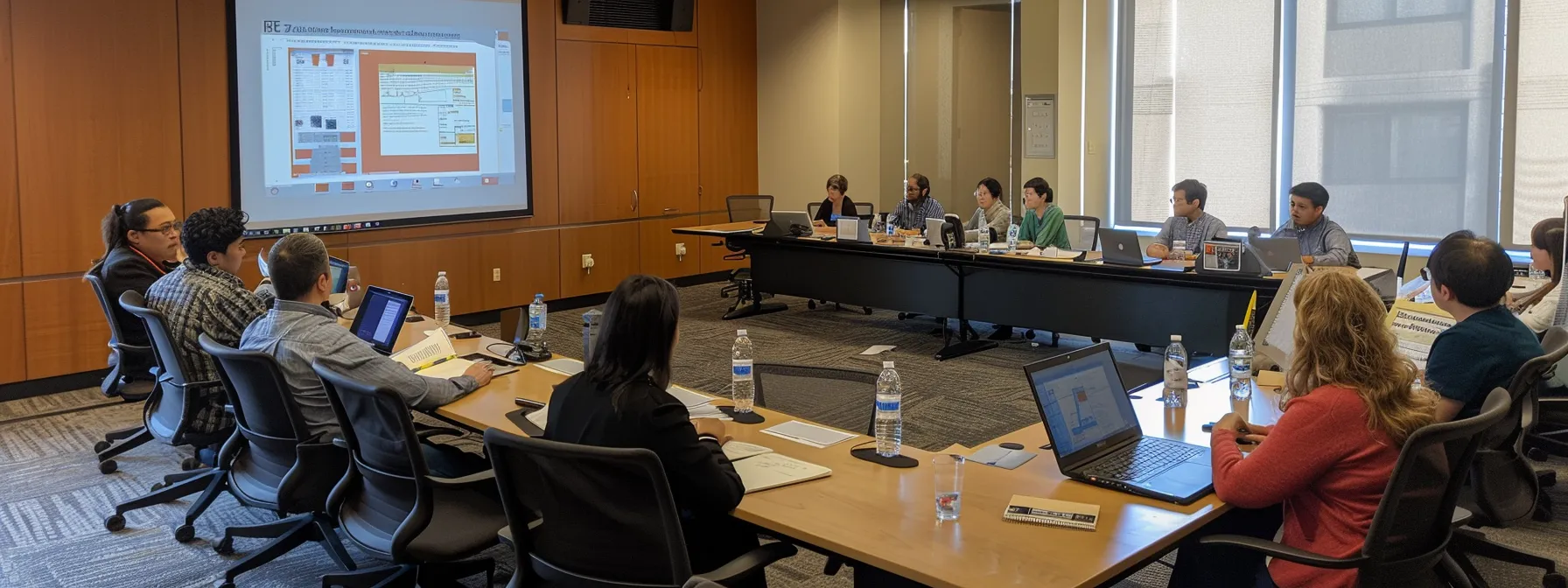
To implement effective risk control measures, We focus on selecting appropriate strategies to mitigate risks. This includes developing safe work procedures informed by safety data sheets to manage potential hazards effectively. Furthermore, We prioritize providing training and resources to staff, ensuring that everyone understands the emergency protocols and the probability of various risks, leading to a more resilient workplace.
Selecting Appropriate Strategies to Mitigate Risks
Selecting appropriate strategies to mitigate risks requires careful consideration of the hierarchy of controls, which emphasizes eliminating hazards whenever possible. In our work experience, I’ve found that implementing engineering controls and administrative procedures effectively reduces the likelihood of failures while boosting productivity and safety. Effective risk communication with team members ensures that everyone is aware of their roles and responsibilities in managing operational risks, fostering a proactive safety culture.
- Identify hazards and analyze their potential impact.
- Evaluate the hierarchy of control measures available.
- Implement engineering and administrative controls to manage risks.
- Communicate processes and procedures clearly to all team members.
- Continuously monitor and adjust risk control measures as necessary.
Developing Safe Work Procedures
Developing safe work procedures is essential for any organization committed to fostering a strong safety culture. By meticulously documenting each procedure, We ensure that every team member understands the specific steps to mitigate hazards effectively. This process often involves continuous surveillance and data collection to identify potential risks, enabling the creation of detailed guidelines that enhance safety and compliance across all operations.
Providing Training and Resources to Staff
Providing training and resources to staff is essential for effective risk control measures within any safety management system. We ensure that all team members are well-versed in safety protocols through regular training sessions that include practical analysis of potential hazards. By focusing on relevant certification programs, staff can enhance their skills and knowledge, enabling them to respond effectively to various risks in the workplace, thus promoting a safer environment for everyone:
Monitoring and Reviewing Risk Assessments Regularly

We prioritize monitoring and reviewing risk assessments regularly to ensure our safety management system remains effective. This involves setting a schedule for ongoing reviews, adapting our strategies to changes in the work environment, and fostering continuous improvement through employee feedback. Each of these elements creates a dynamic safety culture that actively addresses emerging risks and enhances overall workplace safety.
Setting a Schedule for Ongoing Reviews
Setting a schedule for ongoing reviews of risk assessments is crucial for maintaining an effective safety management system. In our experience, We find that conducting these reviews at regular intervals, such as quarterly or bi-annually, allows me to promptly address any emerging risks or regulatory changes that could impact our workplace safety. By consistently evaluating our assessments, We can ensure that our strategies remain relevant and responsive, ultimately enhancing the safety culture within the organization.
Adapting to Changes in the Work Environment
Adapting to changes in the work environment is crucial for maintaining effective risk assessments within
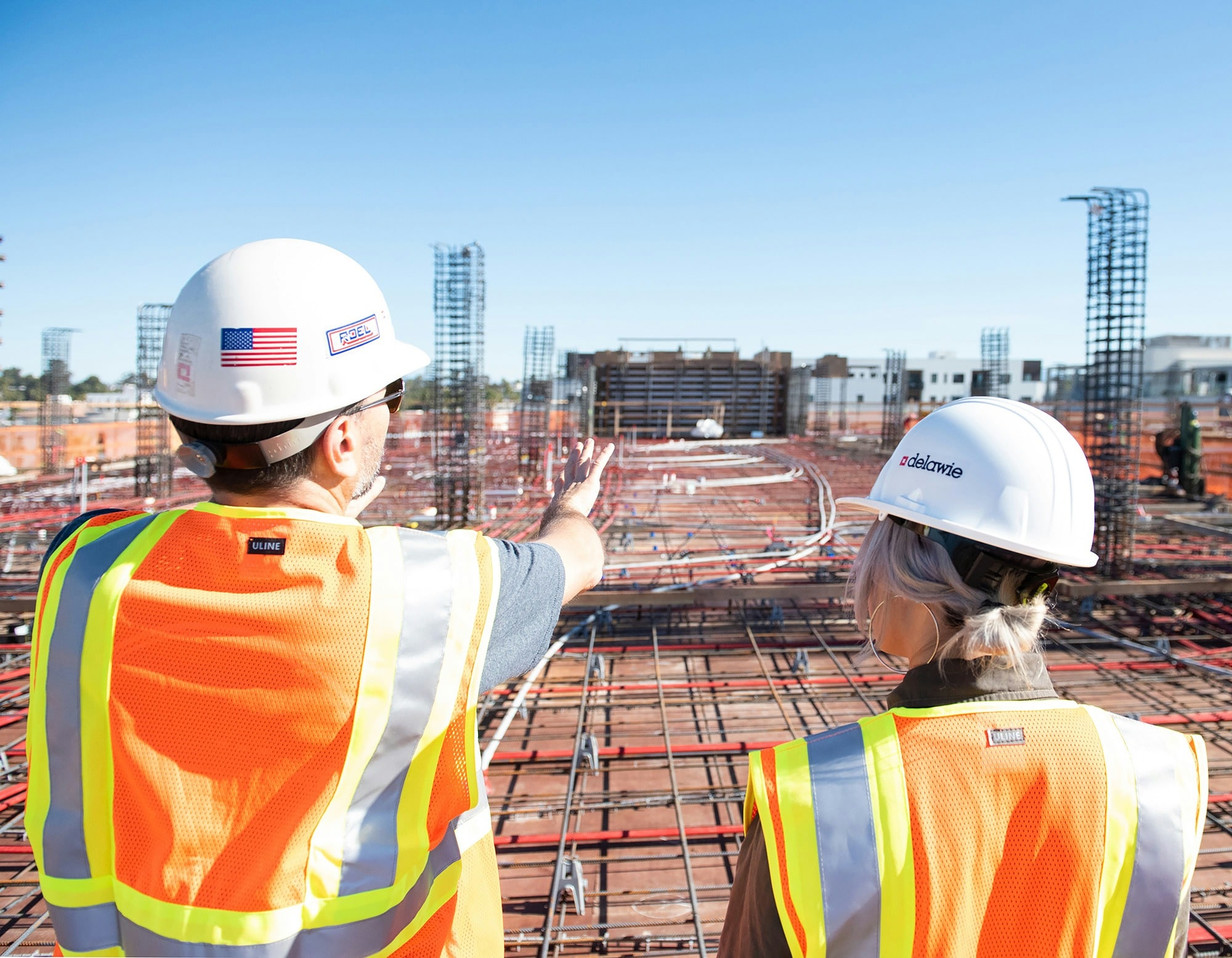
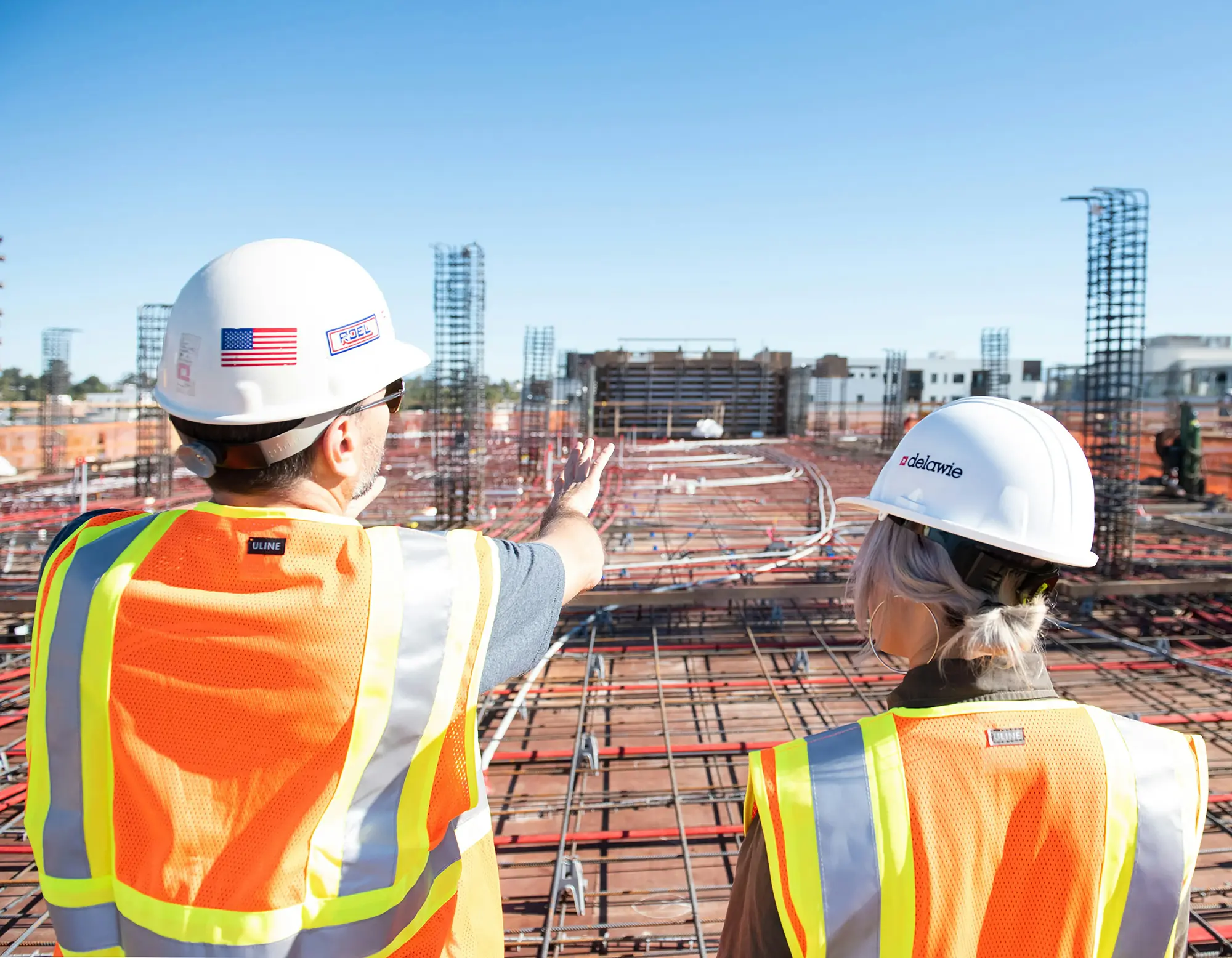
practices. As We implement new processes or modify existing ones, I regularly evaluate how these transitions impact associated risks and safety protocols. For instance, when our team transitioned to hybrid work models, We updated our risk assessments to address new hazards related to remote work, ensuring that all team members received guidance on maintaining workplace safety, both at home and onsite:
Continuous Improvement Through Feedback
Continuous improvement through feedback plays a vital role in enhancing our safety management processes. We actively encourage team members to share their insights after completing risk assessments, which helps me identify areas needing refinement. By incorporating this feedback into our practices, We ensure that our risk assessment techniques remain relevant and effective in addressing emerging safety concerns, ultimately fostering a culture of proactive safety awareness across the organization.
Leveraging Advanced Risk Assessment Techniques

Utilizing software and technological tools can streamline our risk assessment processes, allowing for more accurate data analysis and reporting. Incorporating behavior-based safety approaches helps in identifying the human factors involved in risk management. Additionally, learning from case studies of successful practices offers valuable insights that We can apply to enhance our safety management strategies. Together, these methods provide a solid foundation for improving workplace safety.
Utilizing Software and Technological Tools
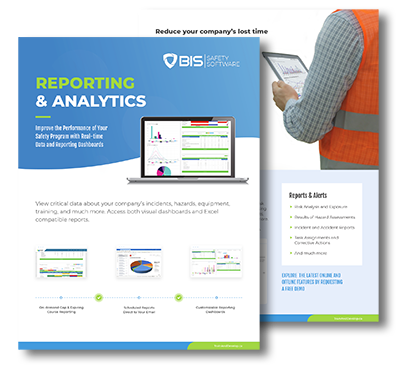
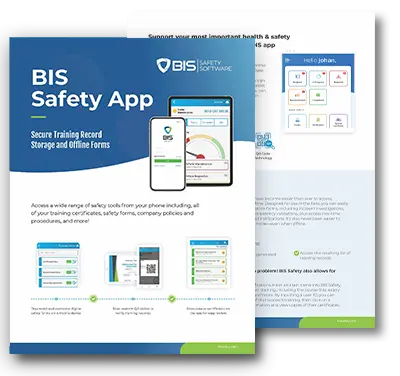
In our experience, utilizing software and technological tools is vital for effective risk assessment in safety management. These systems streamline the data collection process, enhance collaboration among team members, and provide real-time insights into potential hazards. For instance, We have implemented specialized safety management software that automates reports and allows us to track incidents, which leads to more informed decision-making and a proactive safety culture within the organization.
By incorporating technological solutions, we can efficiently analyze vast amounts of data related to safety risks and compliance. This not only minimizes the risk of overlooking critical information but also empowers our team with accurate insights, enabling us to address safety issues swiftly and effectively.
Incorporating Behavior-Based Safety Approaches
Incorporating behavior-based safety approaches in our risk assessment processes has been a game changer for enhancing workplace safety. By focusing on individual actions and observations, We have witnessed firsthand how employee engagement can lead to identifying risks that traditional safety checks might overlook. For example, implementing regular discussions about safe practices has not only increased awareness but has also empowered our team to take responsibility for their safety, fostering a culture where proactive behavior becomes the norm.
Learning From Case Studies of Successful Practices
Learning from case studies of successful practices in risk assessment has significantly shaped our approach to safety management. For example, when We reviewed a case study from a manufacturing company that implemented a comprehensive risk assessment protocol, We noticed how their focus on employee engagement led to a dramatic reduction in incidents. By analyzing their methods, We incorporated similar strategies into our assessments, emphasizing collaboration and open communication, which ultimately enhanced the safety culture within our organization and improved our overall risk management.
Conclusion
Effective risk assessment techniques are essential for enhancing safety management within any organization. By systematically identifying hazards, engaging employees in the process, and leveraging advanced tools, We can significantly reduce workplace risks and foster a culture of safety. Regular monitoring and adaptive strategies also ensure that safety measures remain relevant amidst evolving challenges. Ultimately, prioritizing effective risk assessment not only protects employees but also strengthens the overall resilience of the organization.