OSHAⓇ Compliant with a Smart Safety Management System
Staying compliant with OSHAⓇ (Occupational Safety and Health Administration) recordkeeping requirements is crucial for developing a safe and compliant workplace. With BIS Safety Software’s management system, your organization can easily manage, track, and access safety training records whenever you need them, without the hassle of dealing with piles of paperwork.

What Is Electronic Recordkeeping (ERK)?
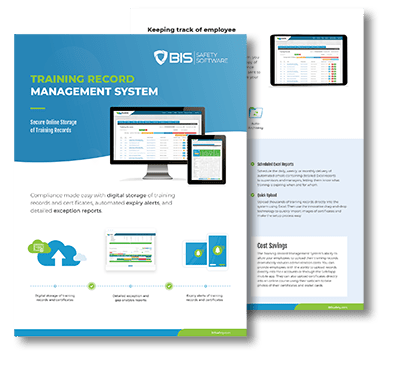
Electronic Recordkeeping (ERK) refers to the digital storage and management of employee safety training records. It streamlines how your organization captures, stores, and retrieves vital Environmental, Health, and Safety (EHS) data throughout an employee’s career.
For employers in the U.S., OSHAⓇ regulations require that you keep accurate and easily accessible documentation of all safety-related training. Each record should include:
- Employee’s name
- Trainer’s name and signature
- Date and topic of training
- Evidence of competency (like test results or skill demonstrations)
A digital Safety Records Management System ensures your organization meets OSHAⓇ’s stringent requirements, keeping your documentation thorough, secure, and easy to access when you need it.
Why OSHAⓇ Compliance Is Important
According to the Occupational Safety and Health Act of 1970, every employer is responsible for providing a safe and healthy work environment. OSHAⓇ enforces these standards through inspections, training, and regulations aimed at preventing workplace injuries, illnesses, and fatalities.
Neglecting to maintain accurate training records can lead to penalties, citations, and unnecessary risks. Beyond just compliance, proper documentation also helps your company:
- Show accountability and due diligence
- Avoid repeat incidents through precise reporting
- Protect workers with effective safety measures
- Cultivating a culture of trust, transparency, and safety awareness is key.
Keeping your documentation up-to-date not only aligns with OSHAⓇ standards but also fosters safer operations and peace of mind for both employers and employees.


Your Step-by-Step OSHAⓇ Recordkeeping Guide
To ensure your safety documentation meets OSHAⓇ standards, follow these six crucial steps:
- Understand the Difference Between Documentation and Certification: Familiarize yourself with the necessary records and how they differ from completion certificates.
- Identify Required Training: Go through OSHAⓇ regulations to find out which training courses are relevant to your industry and job roles.
- Keep Records Current and Accessible: Make sure all training data is stored and updated in a secure, centralized system.
- Protect Data Security: Safeguard your safety records against loss or unauthorized access.
- Know Retention Timelines: Keep training documentation for the required amount of time.
- Include Contractors: Don’t forget to track and verify the training compliance of contractors and temporary workers.
BIS Mobile App: Your Records at Your Fingertips
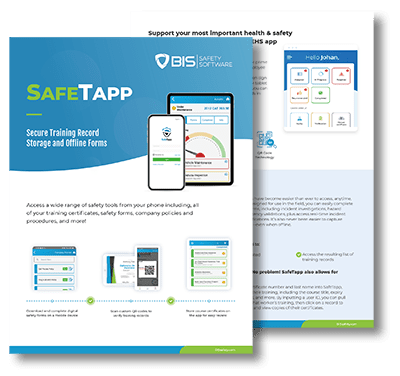
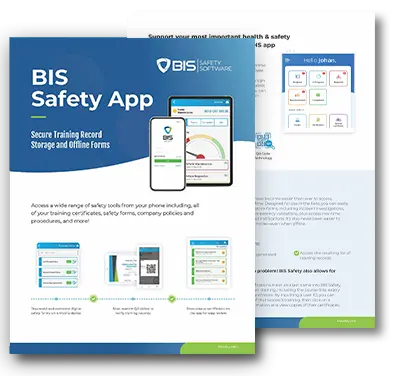
When OSHAⓇ comes knocking for documentation, you need quick access. The BIS Mobile App connects directly to main BIS Safety Software application, letting users view and verify training records on any mobile device, even when you’re offline.
Here’s What You Get:
- Real-time syncing of certificates and training completions
- Offline access for field teams and remote locations
- Automatic updates when training is renewed or expires
With BIS Mobile Safety App, your team can generate accurate records on the spot. Ensuring complete transparency and compliance whenever and wherever you need it.

Stay OSHAⓇ Compliant with BIS Safety Software
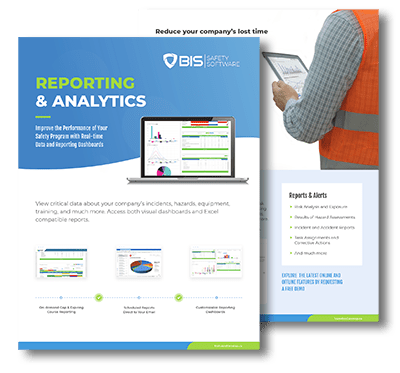
Transform your safety recordkeeping and make compliance with a smart, mobile-ready EHS management system. From online learning and certification tracking to on-demand reporting, BIS keeps your OSHAⓇ documentation secure, precise, and always within reach.
Equip your team with the tools they need to stay compliant, organized, and focused on what truly matters is keeping your workforce safe.