Beyond the Checklist: Nicole Wesch on Practical Safety Leadership


Prefer To Watch?
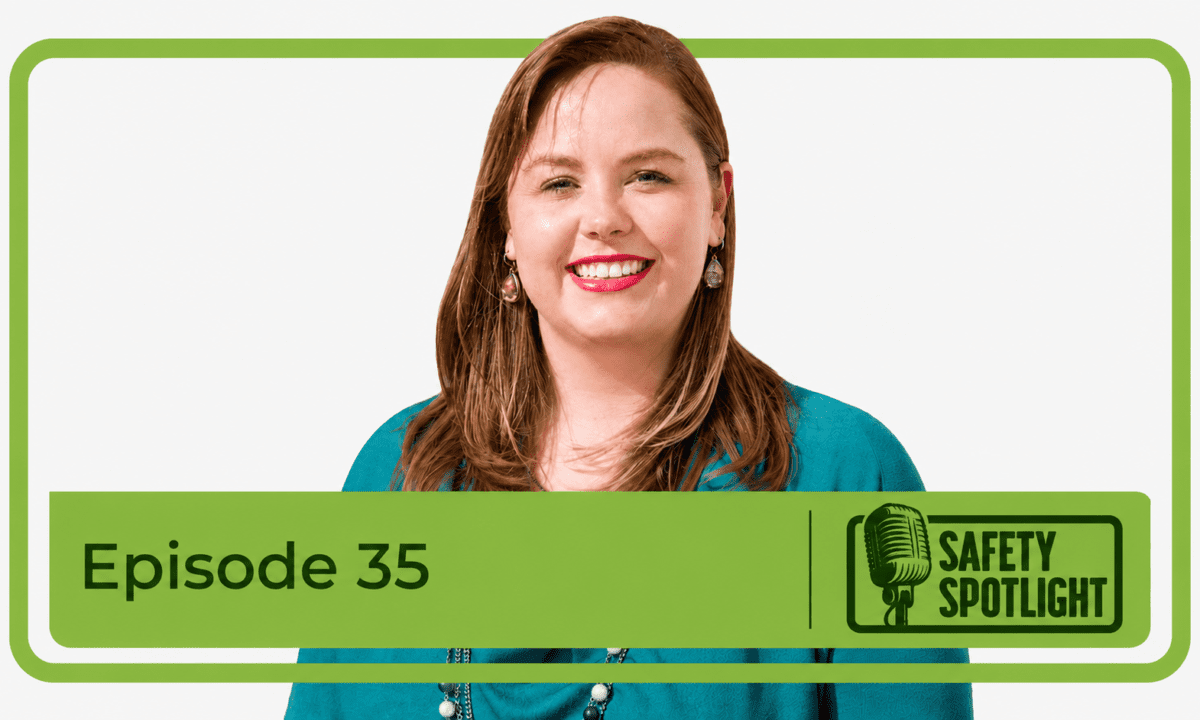
Ask most safety professionals where safety begins, and they’ll point to policies or procedures. Nicole Wesch sees it differently. Working within the Edmonton Police Service, she operates in an environment where unpredictable situations come first and documentation follows. Traditional safety systems don’t always fit the realities of frontline policing.
Nicole’s path into occupational health and safety is anything but conventional. Beginning her career in medical microbiology and nanotechnology research, she developed scientific programs before applying that analytical mindset to one of Canada’s most unique safety environments. Today, she leads occupational health and safety for the Edmonton Police Service, adapting core safety principles to a profession with no established ISO framework.
During this episode of The Safety Spotlight, Nicole discusses why conventional hazard assessments often fail in unpredictable work, how usability matters more than complexity, and why earning trust with frontline workers is the foundation of lasting safety improvements.
What You’ll Learn
- Protecting Those Who Protect Others
Police officers naturally prioritize public safety above their own. Nicole explains the ongoing challenge of helping highly risk-tolerant professionals recognize and manage their own exposure to hazards. - Practical Safety Over Perfect Documentation
Extensive hazard assessments may satisfy paperwork requirements, but they rarely help workers in the field. Nicole shares how mission-based planning creates safety tools officers will actually use. - Using Research to Solve Emerging Risks
Before clear guidance existed around fentanyl exposure, Nicole adapted control banding techniques from nanotechnology research to develop practical protection strategies for officers. - Better PPE Through Better Design
Equipment that properly fits different body types improves comfort, reduces injuries, and ultimately benefits every member of the organization. - Improving Reporting by Removing Blame
Transitioning incident reporting online helped shift investigations away from assigning fault and toward understanding contributing factors and preventing future incidents.
Whether you oversee a safety program, manage frontline teams, or simply want practical ideas for improving worker protection, Nicole offers a refreshing perspective on designing safety systems that people actually use.