


Webinar
How Excellent Safety Training Gets Built
A course arrives finished. The scenarios are chosen, the media is set, the knowledge checks are written. What does not arrive with it is the reasoning: why that scenario and not another, why narration instead of video, why the assessment asks what it asks. Those calls were made weeks earlier, and they are the ones that determine whether the course does its job.
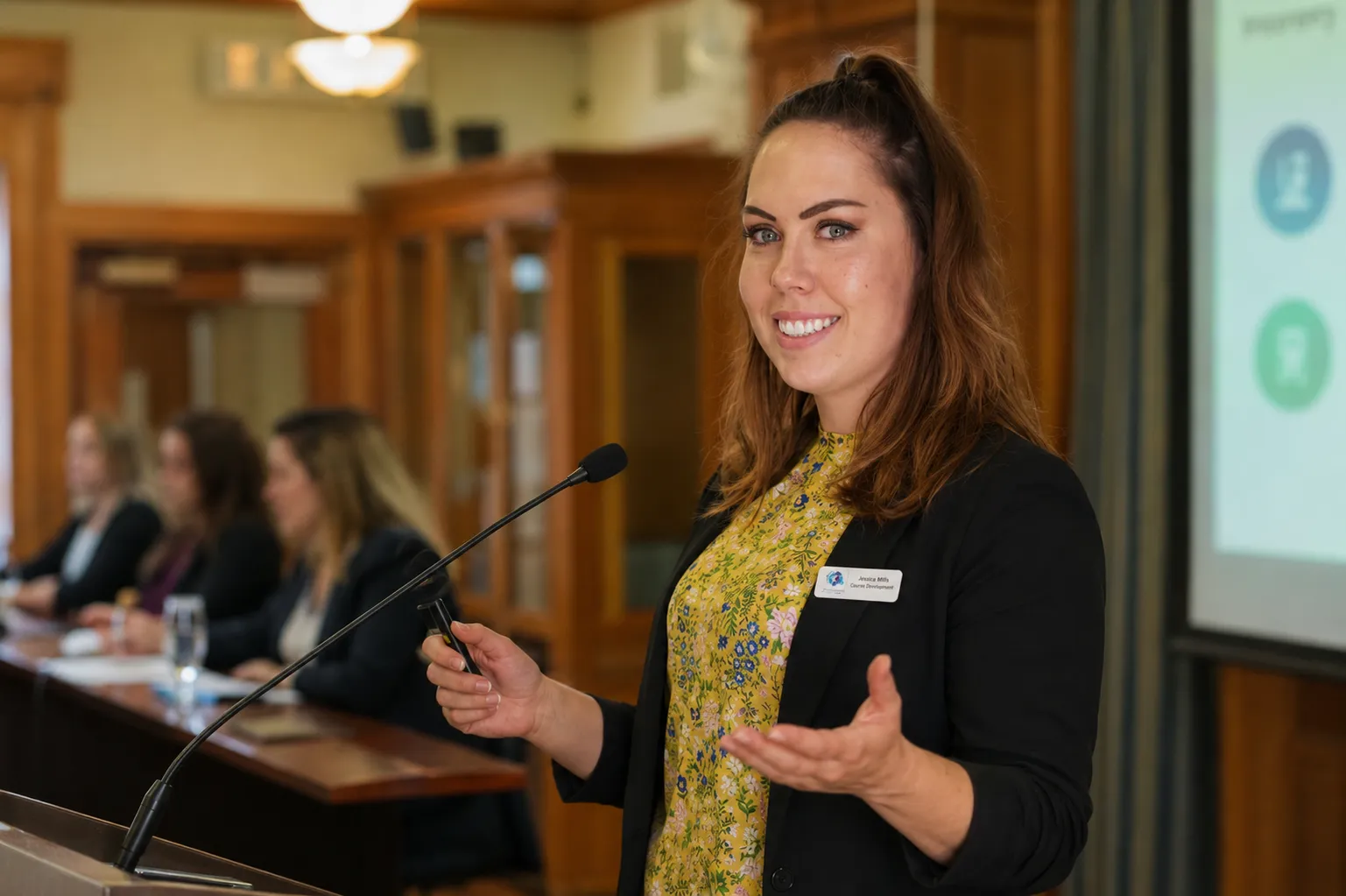
This session opens that process up. BIS Safety Software has been building online safety training for more than 18 years, and the method behind it has been torn down and rebuilt more than once. Jessica Mills walks the whole path, from the first sit-down with a subject-matter expert through scripting, media selection, review cycles, and launch day, explaining the thinking at each fork.
Event details
- Date: Thursday, September 24, 2026
- Time: 11:00 AM MDT
- Where: Live on LinkedIn
- Cost: Free
Training budgets are real, and the number most organizations get back is a completion rate. It is the easiest figure to produce and the least informative one available. It confirms that a course was finished. It says nothing about whether the content held up, whether the scenarios resembled the actual work, or whether a crew could apply any of it seven days later.
What the session covers
- Where a course is won or lost, which is usually in planning rather than production
- The gap between a course a crew completes and one a crew uses on Monday morning
- How to interview a subject-matter expert so the unwritten parts of the job surface
- The case against video, and what tends to earn the slot instead
- Whether a knowledge check is measuring recall or judgment, and how to tell them apart
- How accessibility choices quietly decide who a program reaches
Built for teams that purchase safety training, build it in house, or are preparing to turn a binder of existing material into online courses, and want a sharper set of questions before the work begins

Why This Matters
Put two courses on the same topic side by side and they can look interchangeable. Matching titles, comparable run times, the same certificate waiting at the end. The difference between them was settled long before either one shipped, in decisions about scripting, scenarios and review that a buyer almost never gets to look at.
Those decisions are what this session puts on the table. Eighteen years of building courses surfaces trade-offs that are hard to work out from the outside: the point at which a script gets cut back, when video justifies its budget and when it quietly does not, what a productive conversation with a subject-matter expert actually sounds like.
It is built for teams that buy safety training, produce it in-house, or are about to turn a binder of existing material into an online course. Attendees leave with a sharper set of questions to put to a vendor, or to their own team, before the next course goes into production.