

EHS Vendor Assessment Guide: How to Evaluate the Best Safety Tech Partner
Introduction
Selecting the right Environmental, Health, and Safety (EHS) software provider is a critical decision for any organization seeking to strengthen safety and compliance. Partnering with the right vendor can boost operational efficiency, reduce risks, and support ongoing improvements. Conversely, choosing the wrong provider can result in implementation delays, extra costs, frustrated users, and low adoption rates.
This guide offers a comprehensive EHS vendor evaluation checklist to help you make an informed, objective decision that considers both present needs and future growth.
Choosing an EHS solution is more than a purchasing choice, it determines how effectively your teams identify hazards, maintain compliance, and respond to incidents over time. Organizations that follow a structured evaluation process typically experience smoother rollouts, higher user engagement, and better alignment with long-term digital transformation goals. A thoughtful selection strategy also ensures the solution can grow with your organization and integrate seamlessly with existing systems.
Core Criteria to Consider Before Choosing an EHS Vendor
Before assessing individual vendors, it’s essential to clarify your organization’s specific needs. The following core factors can help establish a strong foundation:
- Functional Capabilities
- Incident management
- Risk assessments
- Audits and inspections
- Environmental compliance
- Training and competency tracking through a Learning Management System (LMS)
- AI and analytics
When reviewing functionality, map each feature to your internal workflows. A platform packed with features is only valuable if it simplifies daily operations and aligns with real-world processes. Also, check whether the vendor regularly updates modules to stay current with regulations and technology trends.
- Industry Fit
Choose a vendor that understands your regulatory requirements, operational needs, and risk profile. Industry-specific experience ensures the solution can be tailored quickly to your environment. Vendors familiar with your sector whether manufacturing, energy, pharmaceuticals, or construction often provide ready-made templates, compliance expertise, and optimized workflows that accelerate implementation. - Implementation Approach
Evaluate timelines, internal versus partner-led deployments, change management, and training support. A structured implementation methodology reflects a mature and organized vendor. Look for clear roadmaps, dedicated project managers, and comprehensive onboarding frameworks. Strong change management can significantly improve adoption and long-term success. - Clear and Transparent Pricing
Understand pricing models, per-user, module-based, or hybrid and any additional costs. Transparent pricing prevents surprises such as customization fees, integration charges, or premium support packages. Request a multi-year cost forecast to understand long-term financial commitments. - Scalability and Product Roadmap
Ensure the solution can accommodate future growth, including new sites, global expansion, ESG reporting, and IoT integration. A scalable platform should evolve with your organization without requiring replacement. Vendors with a robust product roadmap demonstrate ongoing innovation, keeping the software aligned with industry trends and future-ready.
Practical Steps for Comparing EHS Vendors
To evaluate vendors objectively, consider the following approach:
- Identify “must-have” versus “nice-to-have” features using prioritization frameworks such as MoSCoW.
- Request live demonstrations that reflect real-world scenarios in your organization.
- Examine customer support structures, including service-level agreements and escalation processes.
- Review vendor experience with companies of similar size and within your industry.
- Assess integration capabilities with systems like HR, ERP, QMS, IoT, and ESG platforms.
A structured comparison helps eliminate vendors that may not meet your operational or compliance requirements.
It’s also important to involve cross-functional teams, operations, HR, IT, and EHS leadership during this stage. Gathering diverse perspectives ensures the chosen vendor addresses a wide range of needs. Creating a comparison matrix with weighted scoring simplifies the evaluation process and supports data-driven, objective decision-making.

Top Questions to Ask in EHS Vendor Demos
Vendor demonstrations are a critical step in assessing whether a solution is the right fit. During demos, ask focused questions such as:
- How simple is system configuration without coding?
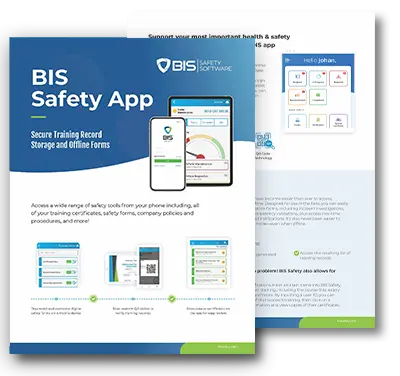
- What mobile and offline capabilities does the platform offer?
- How are data security and regulatory compliance managed?
- Which integrations come standard?
- How often is the product updated?
- What analytics and AI features are included?
- How does the platform support multinational organizations (languages, local regulations)?
- What is the typical implementation timeline?
- What training and onboarding resources are available?
- What sets your platform apart from competitors?
These questions help uncover both the platform’s strengths and potential limitations, including hidden costs.
It’s also valuable to request scenario-based demonstrations, such as logging an incident, assigning corrective actions, or generating compliance reports, to see the system in action. Asking vendors to show configuration flexibility reveals how easily administrators can scale or customize the platform without outside support.
Critical Factors to review
Beyond core features, consider these important aspects:
- User Experience (UX)
Is the interface intuitive and easy for non-technical users?
A well-designed UX encourages adoption across all levels, from frontline employees to executives. Poor usability is a leading cause of EHS software failure after deployment.
- System Reliability and Performance
Examine uptime, processing speed, data accuracy, and mobile responsiveness.
System downtime or sluggish performance can interrupt crucial safety workflows. Vendors with strong infrastructure and proven performance metrics provide stability, even during periods of heavy reporting.
- Customer Insights and Feedback
Review case studies, references, and independent reviews.
Speaking with existing clients can reveal practical strengths, limitations, and responsiveness. Long-term users often provide the clearest picture of post-implementation support quality.
- Vendor Stability and Longevity
Assess financial health, acquisitions, and strategic vision.
Stable vendors are more likely to provide consistent updates and ongoing support. Understanding the company’s growth trajectory and commitment to innovation is essential.
- Total Cost of Ownership (TCO)
Factor in implementation, training, ongoing support, maintenance, and future module additions.
Consider potential costs for upgrades, additional storage, premium features, or integrations. A thorough TCO review helps avoid budgeting surprises and ensures fair vendor comparisons.
Creating a Scoring Matrix for Objective EHS Vendor Selection
A scoring matrix is a valuable tool for eliminating bias and ensuring each vendor is evaluated consistently.
Steps to Build a Scoring Matrix:
- List all requirements, including functional, technical, security, UX, and support considerations.
- Assign weights to each requirement based on its importance.
- Rate each vendor against the requirements (e.g., on a 1–5 scale).
- Calculate total weighted scores for each vendor.
- Compare scores to identify the vendor that best meets your needs.
- Apply the matrix during demonstrations and after follow-up questions.
Weighted scoring allows teams to prioritise critical requirements such as compliance or incident management over optional features. A transparent scoring rubric also provides clarity for selection committees and helps justify vendor decisions to leadership and procurement teams.

Downloadable EHS Vendor Evaluation Checklist
Provide your team with a straightforward, downloadable checklist to make vendor reviews more efficient:
- Core feature coverage
- Integration capabilities
- Mobile functionality and offline use
- Security measures and certifications
- Implementation readiness
- Training and support resources
- Reporting, dashboards, and analytics
- Scalability for future growth
- Pricing structure and contract terms
- Vendor reputation and client references
Next Steps After Vendor Selection
Once a vendor is chosen, focus shifts to preparation and partnership building:
- Finalize contract terms and clearly outline expectations
- Conduct a kickoff meeting with all stakeholders
- Align on implementation timelines and key milestones
- Validate data sources and integration requirements
- Prepare change management and communication plans
- Begin user training early to ensure smooth adoption
Strong post-selection planning establishes a foundation for successful deployment. Early coordination prevents delays, keeps teams aligned on deliverables, and engaging end-users early helps generate excitement while reducing resistance during rollout.
Download Our latest EHS Software Comparison Checklist
Summary: Establishing a Long-Term Partnership with Your EHS Vendor
Choosing an EHS vendor goes beyond selecting software, it’s about forming a long-term partnership that supports your safety culture, compliance obligations, and digital transformation goals. By leveraging a structured evaluation checklist, asking the right questions, and applying a data-driven scoring matrix, organizations can identify a vendor that meets current needs while remaining adaptable for future growth.
A deliberate vendor selection process can enhance safety outcomes, strengthen compliance, and create a more integrated EHS ecosystem.
To learn how your chosen vendor can connect across departments, see our article on EHS Platform Integration for High-Impact Safety.
Sustaining a long-term relationship with your vendor ensures ongoing value through system updates, feature enhancements, and strategic support. Organizations that maintain open communication with their vendors often achieve faster adoption of new features and continuous optimization of their EHS programs.
Frequently Asked Questions (FAQs)
- Why use an EHS vendor evaluation checklist?
A checklist provides a structured way to compare vendors objectively, reduce bias, and ensure the chosen solution aligns with your safety priorities, compliance needs, and long-term growth plans. - What should be included in our “must-have” requirements?
“Must-have” criteria usually cover essential functionality such as incident management, regulatory compliance support, integration capabilities, reporting, and reliable implementation and support services. - How does user experience (UX) impact adoption?
A user-friendly, intuitive system encourages engagement from both workers and managers. Better UX improves data accuracy, strengthens compliance, and maximizes the return on your EHS investment. - How can we fairly compare pricing between vendors?
Look beyond license costs and consider total cost of ownership, including implementation, training, support, integrations, and future module additions over multiple years. - When should stakeholders be involved in the evaluation process?
Engage key stakeholders early – EHS, IT, HR, operations, and finance to clarify requirements, identify potential issues upfront, and secure stronger organisational buy-in for the selected vendor.