York Construction: Sometimes You’re Just Getting Lucky, Cody Wolf on What a Clean Safety Record Really Means
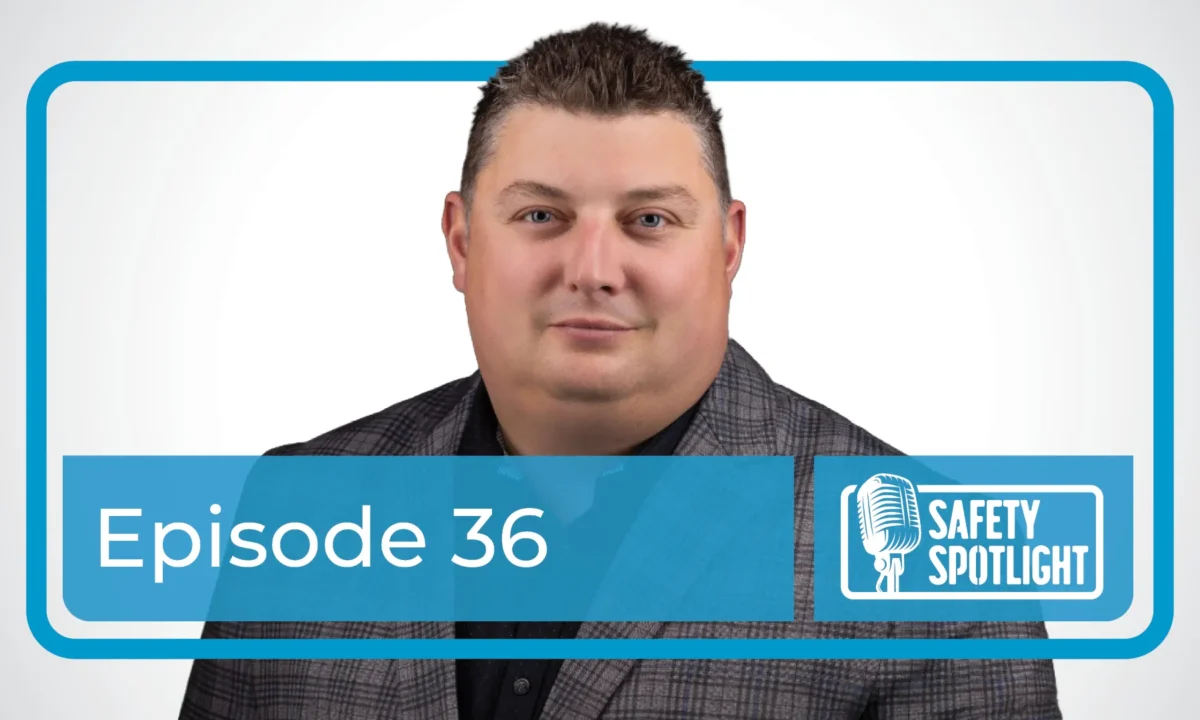


Prefer To Watch?
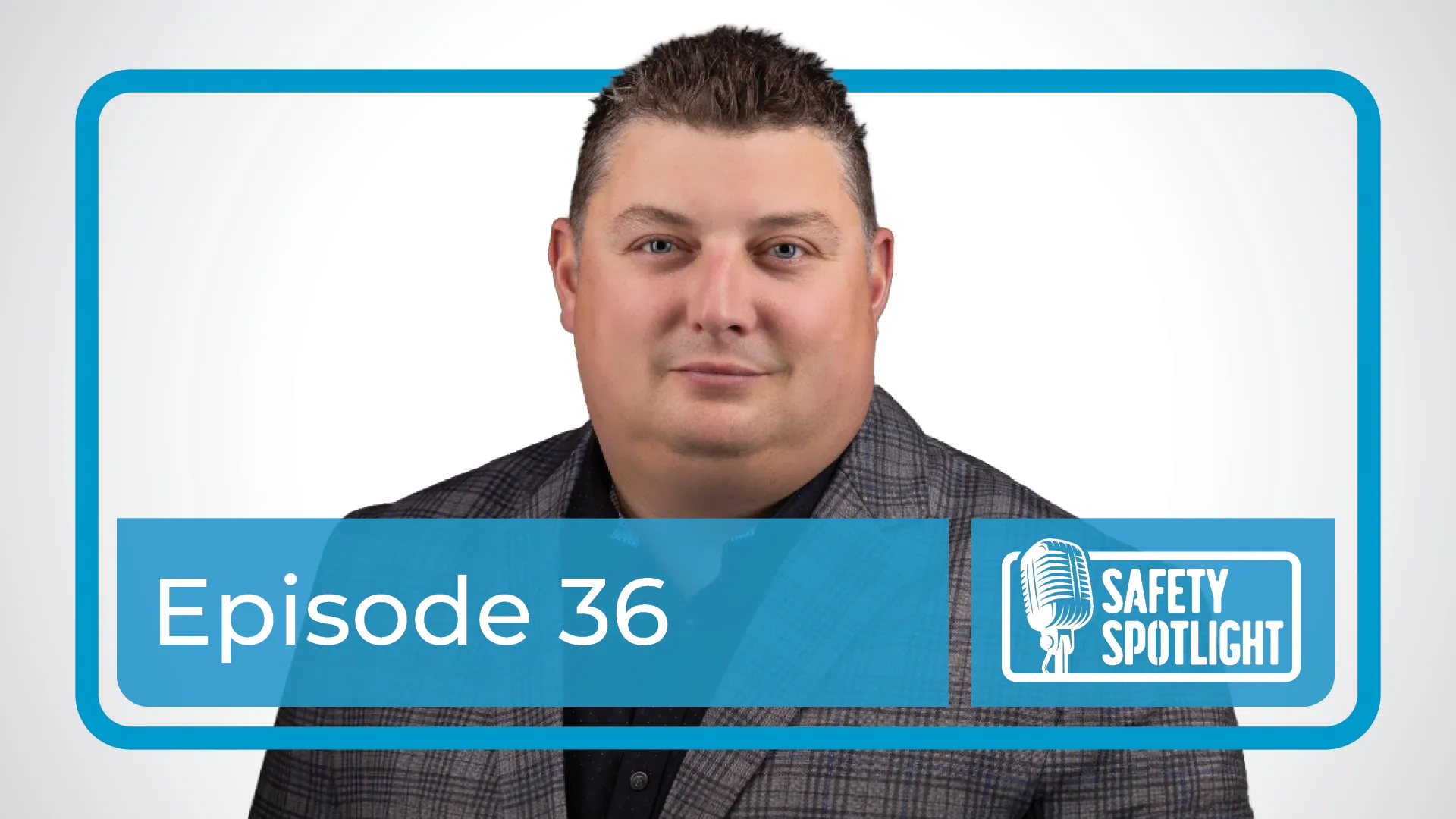
A company can go years without a recordable incident and still have plenty of room to improve its safety culture. For Cody Wolf, the real measure of safety isn’t found only in incident statistics. He wants to know what is happening in the field, particularly when senior leadership isn’t there to observe it.
Cody’s journey into safety took an unexpected route. He studied law enforcement and criminal justice before beginning his career in commercial vehicle enforcement with the Alberta government. Pulling commercial vehicles over on the highway taught him how to communicate under pressure and handle difficult conversations.
In 2008, a friend introduced him to the safety profession. When a company offered to train him, Cody decided to give it a chance, originally thinking he could return to policing if it wasn’t the right fit. Seventeen years later, his career has taken him through civil and commercial construction, industrial work, oil and gas, and petrochemical operations.
One of his biggest lessons has come directly from the workers around him.
In this episode of The Safety Spotlight, Cody challenges the assumption that a zero-incident record automatically means an organization is operating safely. A clean record can reflect effective systems and strong leadership, but it can also mean that an organization has simply been fortunate.
His current mentor’s advice captures the idea: the absence of an incident does not necessarily mean the presence of safety. Closing that gap requires leaders to be visible, engaged, and willing to have conversations with employees where the work actually happens.
Safety Leadership Means Showing Up
Cody’s idea of being “boots on the ground” is literal. Safety professionals, executives, and company leaders need to spend time at the jobsite, not simply arrive to inspect a crew, but to understand the work.
Employees can quickly tell whether a leader is there to find problems or genuinely listen. Building trust means asking questions, hearing concerns, and learning from the people who perform the work every day.
Corrective Actions Don’t End With an Email
After an incident, it is easy to feel like the job is done once the investigation is complete, corrective actions are documented, and an email is sent to the workforce.
Cody sees that as the starting point.
A corrective action needs to work in the real environment where employees perform their jobs. That means following up in the field, helping implement the solution, and confirming that the change actually addresses the issue rather than simply documenting that something was done.
AI Can Assist, But It Can’t Replace Human Judgment
Technology is bringing new tools into safety management, including AI-powered photo analysis, hazard identification, and risk assessment solutions. Cody sees potential in these technologies, particularly when they can reduce administrative work.
His concern is what happens if technology replaces human interaction.
A generated risk assessment cannot replace walking a jobsite, talking through hazards with a crew, or understanding changing conditions firsthand. AI can support safety decisions, but it should not become an excuse to stop having those conversations.
Fitness for Duty Includes Mental Health
Fitness for duty has traditionally focused on physical readiness, drugs, alcohol, and other factors that can affect an employee’s ability to work safely.
Cody believes mental well-being belongs in that conversation too.
Mental health can influence concentration, decision-making, and performance, especially in safety-sensitive environments. He highlights mental health first aid training for frontline supervisors as one practical way organizations can better support their employees and recognize concerns early.
Learn the Culture Before Changing It
If Cody could give his younger self one piece of advice, it would be to slow down.
New safety professionals may feel pressure to prove themselves by immediately changing processes. Cody believes it is more important to first understand the organization, learn its culture, listen to employees, and build trust.
Only then should meaningful changes begin.
Ultimately, a strong safety record is important, but numbers alone cannot explain what is happening behind the scenes. Are leaders present? Do workers feel comfortable speaking up? Are corrective actions actually implemented? Are mental health concerns being addressed?
For Cody, those questions reveal whether an organization has built real safety or whether it may simply be getting lucky.