


Webinar
A Pro-Active Approach to Mental Health: The Bridge to Bringing Health Into Health and Safety
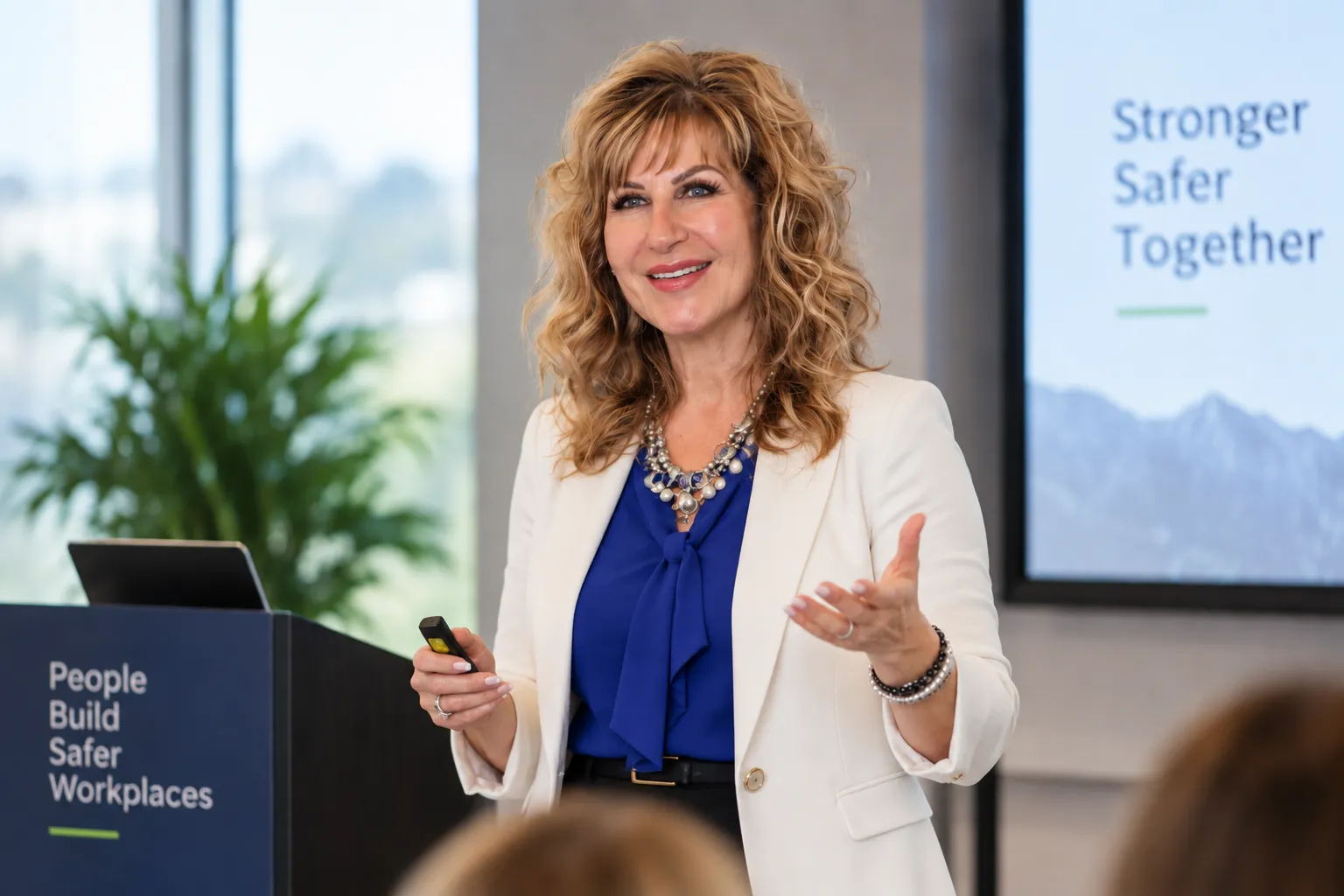
Presented by Sylvia Marusyk, occupational therapist and founder of MindBody Works
Every control in a safety program assumes something about the person using it. That the operator reads the sign. That the technician catches the change in sound. That the crew member says something when the plan stops matching the site. Lockout, permits, inspections, JHAs, all of it rests on a worker who is present enough to notice.
Stress removes that assumption quietly. Nothing in the program flags it, because nothing in the program was built to measure it.
Sylvia Marusyk works in that gap. She is an occupational therapist with three decades in injury prevention and health promotion, and she starts with the biology: what a stressed brain stops doing well, and why someone who looks fine on paper can miss what they would have caught six months ago. From there she moves to what a supervisor can do about it, in a conversation, on shift, without any clinical background.
Event details
- Date: October 26th, 2026
- Time: 11AM MST
- Where: Live on LinkedIn
- Cost: Free
What This Session Covers
- The physical stress response, and which mental functions narrow first
- Why hazard recognition and decision making are among the earliest to go
- The universal triggers of stress, presented as a three step framework
- Techniques that settle the nervous system and bring problem solving back in the moment
- How to open a conversation with someone who is struggling, and what tends to shut it down
- Where the gap between compliance and commitment shows up: engagement, turnover, hiring
Built for supervisors, EHS managers, safety coordinators, and anyone who leads a crew and wants something more useful than a poster about wellness.

Why This Matters
A safety program can tell you who was trained, when, and what they signed. It cannot tell you who showed up this morning already depleted, and on most shifts that is the more useful thing to know.
That is the gap this session works in. Stress sits in the same parts of the brain a worker uses to size up a job, register that something has changed, and speak up before it gets worse. It also does not stay inside the fence. People carry their home life onto the site in the morning and carry the shift home at night.
Attendees leave with a three step framework for the universal triggers of stress, techniques short enough to use between tasks, and language they can bring to their own crew the same week.