


Course details
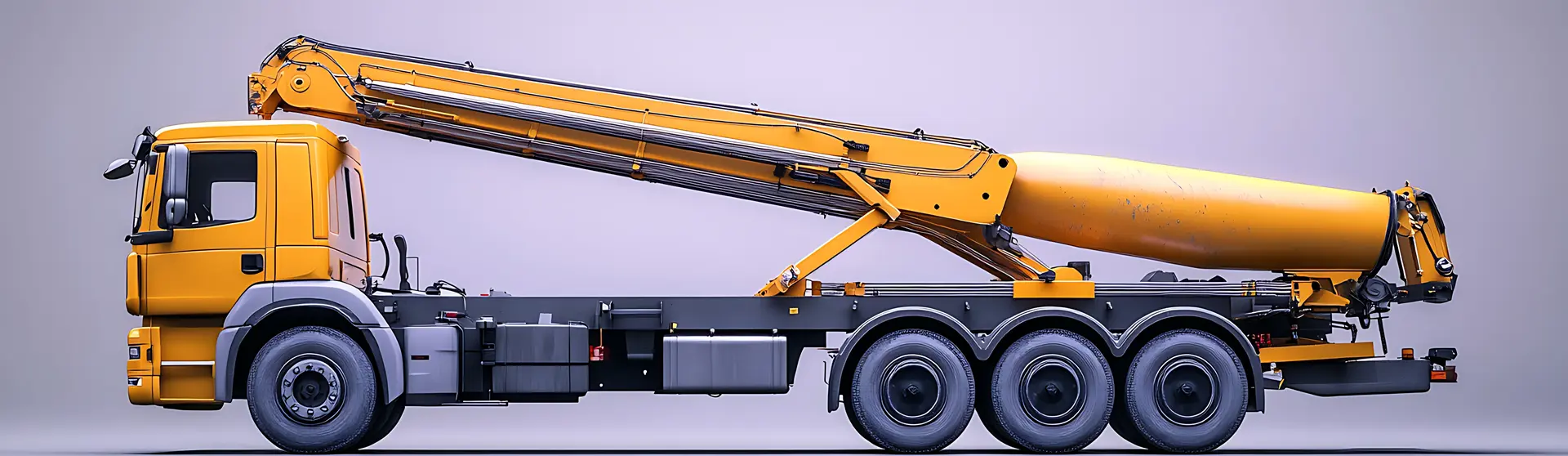
Boom Truck (OSHA)
Boom truck operators position thousands of pounds of load over active job sites, and a single setup error can end a lift in catastrophe. This boom truck training course gives you the procedural knowledge to inspect equipment, configure outriggers, read load charts, and act decisively when conditions change. The course covers the full scope of truck-mounted crane operations in 120 minutes, built around the physical tasks you perform before, during, and after every lift.
Course Overview
This boom truck training course covers ten modules structured around the sequence of an actual lifting operation, from equipment fundamentals through emergency response:
- Boom Truck Fundamentals
- Telescopic vs. Knuckle Boom Trucks: Applications and Limitations
- Major Hazards
- Responsibilities, Roles, and Competency
- Pre-Operational Inspection
- Setup and Stability
- Load Charts and Lift Planning
- Rigging Safety Awareness
- Safe Operation
- Emergency Procedures
The course begins with equipment fundamentals and a comparison of telescopic and knuckle boom configurations, establishing mechanical context before moving into hazard recognition and role responsibilities.
Mid-course modules address the hands-on procedural work: pre-operational inspection criteria, outrigger and cribbing setup, load chart interpretation, and rigging awareness. These are the tasks that determine whether a lift proceeds or stops before it starts.
The final modules cover safe operating practices for preventing struck-by injuries and dropped loads, then close with emergency response procedures you can apply when conditions deteriorate on site.
Ten modules. One operational picture, inspection to all-clear.
Course Overview
What You'll Learn
This boom truck safety training course covers seven outcome areas, from hazard identification through emergency response.Hazard recognition in boom truck operations
- Identify the major hazards in boom truck operations, including tip-overs, powerline contact, falling loads, and struck-by incidents.
- Recognize when site or equipment conditions have moved outside safe operating parameters and apply the appropriate stop-work response.
Equipment inspection and unsafe conditions
- Perform basic pre-use inspections of boom truck components and identify conditions that make the machine unsafe to operate.
- Explain the mechanical relationship between stability, leverage, and outrigger positioning that contributes to tip-over risk on uneven or soft ground.
Setup, cribbing, and ground support
- Apply safe setup practices, including cribbing selection and outrigger pad placement, to establish a stable foundation before any lift begins.
- Explain how ground bearing capacity and outrigger spread affect the load the truck can safely handle at a given radius.
Lift planning and communication roles
- Apply lift planning basics, including load weight awareness, exclusion zone boundaries, and the communication roles assigned to operators and signal persons.
- Evaluate pre-lift conditions against load chart data to confirm the planned lift falls within rated capacity for the configured boom angle and radius.
Safe operation and rigging awareness
- Describe safe operating practices that prevent struck-by injuries and dropped loads during active lifting.
- Recognize rigging hardware conditions and attachment methods that introduce load drop risk before the hook is raised.
Emergency response procedures
- Recognize when conditions are unsafe and follow general emergency response procedures to protect the crew and secure the equipment.
Assessment and certificate
- Demonstrate course completion by passing the 80% assessment and earning a certificate of completion valid as a training record.
Who Should Take This Course?
- Boom truck operators who are responsible for pre-use inspections, outrigger setup, and executing lifts safely on construction, utility, or industrial sites.
- Signal persons and riggers who direct loads, attach rigging hardware, and need to recognize unsafe conditions before and during a lift.
- Site supervisors and foremen who approve lift plans, assign communication roles, and are accountable when a lift goes wrong.
- Safety officers and site coordinators who oversee boom truck operations, check operator qualifications, and keep training records on file for their crews.
- Utility and industrial maintenance crews who use truck-mounted cranes to place equipment or materials and may not have formal lifting operations training on file.
- New hires and workers cross-training who are moving into roles involving boom truck operations and want a structured foundation before working alongside experienced crews.
Why Take This Course?
Boom trucks concentrate enormous force on a single chassis. A tip-over, a powerline strike, or a dropped load can injure workers in seconds. Equipment loss, site shutdowns, and employer liability may follow. Tip-overs trace back to preventable setup errors. Wrong outrigger extension, inadequate cribbing, or a load that exceeded the chart for the configured radius are the recurring causes. This boom truck operator training addresses each one directly. OSHA identifies struck-by incidents as one of the leading causes of construction fatalities, and lifting sites carry elevated exposure when exclusion zones and communication protocols are not followed. Operators and signal persons who have not trained on exclusion zones and communication protocols carry the highest exposure. A certificate of completion creates a paper trail. Organizations that document operator training before a lift hold a record showing the worker covered the hazards, inspection criteria, and emergency procedures, which may be relevant in a post-incident review.Key Benefits
- Certificate of completion included with every passing score. Workers receive a printable, documentable credential upon passing the 80% assessment, a physical training record ready for the personnel file.
- Outrigger, cribbing, and load chart skills that reduce tip-over risk. Operators leave with the specific setup knowledge that prevents the two most catastrophic boom truck failure modes before a lift begins.
- The full course fits inside a single 120-minute session. No travel, no classroom scheduling, no waiting for a cohort to fill. You complete boom truck safety training on your own schedule.
- Coverage of both telescopic and knuckle boom configurations. The training addresses each truck type and its distinct applications, so the skills transfer when you move between equipment on different job sites.
- Predictable per-seat pricing. Organizations can train individual workers or entire crews at a consistent per-person rate.
Topics Covered
- Course length: 120 minutes
- Format: Self-paced online
- Passing mark: 80%
- Certificate: Certificate of completion included
- Price: $79.99
Frequently Asked Questions
How long does the boom truck training course take to complete?
The course is self-paced, so you can work through all 120 minutes in one session or return as your schedule allows.What score do I need to pass the boom truck course?
You need 80% or higher to pass the assessment and receive the certificate of completion.Is a certificate included when I finish the boom truck operator course?
Yes, a certificate of completion is issued after you pass the assessment.Who should take this boom truck safety training?
This course is designed for boom truck operators, signal persons, riggers, site supervisors, safety officers, and any worker whose role involves truck-mounted crane operations on construction, utility, or industrial sites.What does the boom truck course cover?
The course covers ten modules including Boom Truck Fundamentals, telescopic and knuckle boom comparisons, Major Hazards, Pre-Operational Inspection, Setup and Stability, Load Charts and Lift Planning, Rigging Safety Awareness, Safe Operation, and Emergency Procedures. See the Course Overview section above for detail on each module.How much does the boom truck online course cost?
The course is available at a fixed per-seat price; see the Course Details section above for current pricing.This course takes approximately 120 minutes to complete
A passing grade of 80% or higher required. Up to 3 attempts are provided.
A certificate will be provided upon the successful completion of this course

